

There is no single transaction that explains how the Boston Red Sox got here.
It wasn’t one bad free-agent signing.
It wasn’t one bad trade.
It wasn’t Chaim Bloom alone. It isn’t Craig Breslow alone. And despite being the guy Boston eventually showed the door, it certainly wasn’t all Dave Dombrowski.
This has been building for six years.
And when you start putting the decisions next to each other, a pattern emerges.
The Red Sox haven’t necessarily refused to spend money.
They’ve spent an extraordinary amount of money trying to avoid spending big money on premium talent.
Nearly $129 Million in Reclamation Projects
Since 2019, Boston has committed approximately $128.5 million to what I would broadly classify as reclamation projects: injured players, pitchers returning from major surgery, aging veterans and players whose acquisition was essentially a wager that Boston could restore them to something resembling their former selves.
Here’s the list:
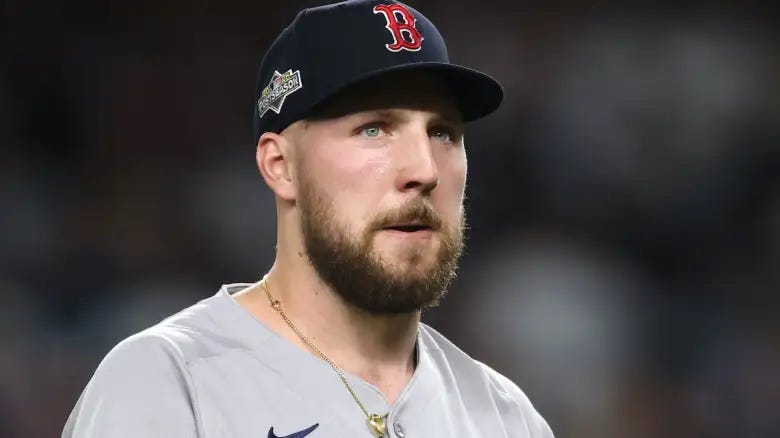
Lucas Giolito — $38.5 million
Walker Buehler — $21.05 million
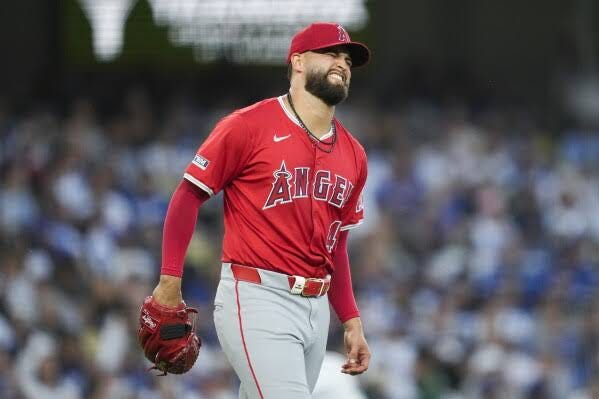
Patrick Sandoval — $18.25 million
James Paxton — $10 million
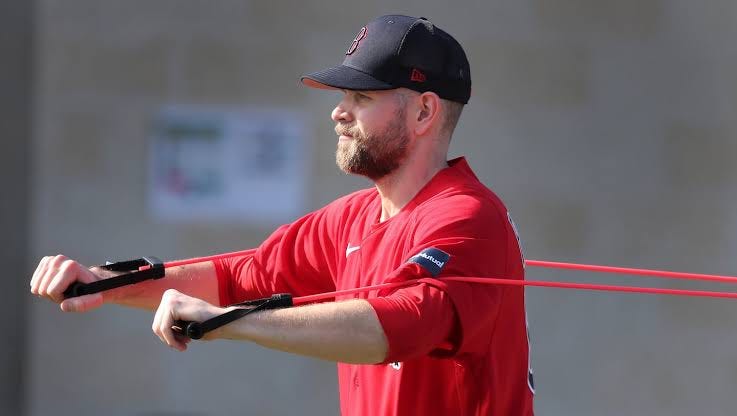
Corey Kluber — $10 million
Liam Hendriks — $10 million
Garrett Richards — $10 million
Adalberto Mondesí — $3.045 million
Marwin González — $3 million
Matt Andriese — $2.1 million
Joely Rodríguez — $2 million
Collin McHugh — $600,000
Total: $128.545 million.
Not every one of those transactions was indefensible when it happened. That’s important.
Baseball teams should make calculated bets. Sometimes they work spectacularly.
But eventually, when you make enough of these bets, you have to examine the organizational philosophy behind them.
Giolito was a $38.5 million bet on restoring a starter who had struggled badly down the stretch before coming to Boston. Walker Buehler received $21.05 million as he attempted to rediscover the pitcher he had been before two Tommy John surgeries. Patrick Sandoval received $18.25 million while Boston knew he was recovering from Tommy John surgery.
Those three players alone represent $77.8 million.
That’s not dumpster diving.
That’s real money.
Boston Didn’t Stop Spending. It Changed How It Spent.
That’s an important distinction.
The criticism of Red Sox ownership is frequently reduced to:
“John Henry won’t spend.”
That’s too simplistic.
The more interesting criticism is what Boston chose to purchase with the money it did spend.
Rather than consistently paying the premium required for established stars in their primes, Boston repeatedly tried to find surplus value.
Find the injured pitcher.
Find the former ace.
Find the guy whose underlying numbers suggest he’s better than his ERA.
Find the player another organization has given up on.
Fix him.
Rehabilitate him.
Extract value.
Flip him.
It’s a perfectly reasonable component of roster construction.
It becomes a problem when it starts replacing roster construction.
But There Was Supposed to Be Another Half to the Plan
Boston could afford to take those risks because something much bigger was supposedly coming.
The kids.
For years, Red Sox fans heard about the next great homegrown core.
Roman Anthony.
Marcelo Mayer.
Kristian Campbell.
Kyle Teel.
Triston Casas.
These weren’t fringe prospects.
They were supposed to become the foundation of the next great Red Sox offense — young, controllable players who would allow Boston to allocate its financial resources elsewhere.
And to be fair, Roman Anthony has demonstrated why he was regarded as one of baseball’s elite prospects.
But as a group?
The offensive foundation Boston envisioned never materialized the way the organization needed it to.
Casas hasn’t become the dependable middle-of-the-order cornerstone Boston envisioned.
Mayer hasn’t transformed the lineup, and now is gone.
Campbell hasn’t become the offensive force Boston hoped for and is being avoided to being called up.
And Kyle Teel never got the opportunity.
Because Boston needed pitching.
So They Spent the Future They Had Spent Years Protecting
In December 2024, Craig Breslow finally acquired the frontline starting pitcher Boston desperately needed.
Garrett Crochet.
It was a terrific acquisition.
This isn’t an argument against trading for Crochet.
It’s an argument about why Boston eventually had to make that trade.
The price was substantial:
Kyle Teel — MLB’s No. 25 prospect
Braden Montgomery — MLB’s No. 54 prospect
Chase Meidroth — Boston’s No. 11 prospect
Wikelman Gonzalez — Boston’s No. 14 prospect
Four prospects.
Two of MLB’s Top 100.
Boston had spent years emphasizing organizational depth and prospect accumulation, only to eventually cash a significant portion of that capital in for the frontline pitching it had failed to acquire another way.
And Crochet was worth acquiring.
That’s precisely the point.
Boston finally reached the stage where prospects had to become currency.
Which Brings Us Back to Dave Dombrowski
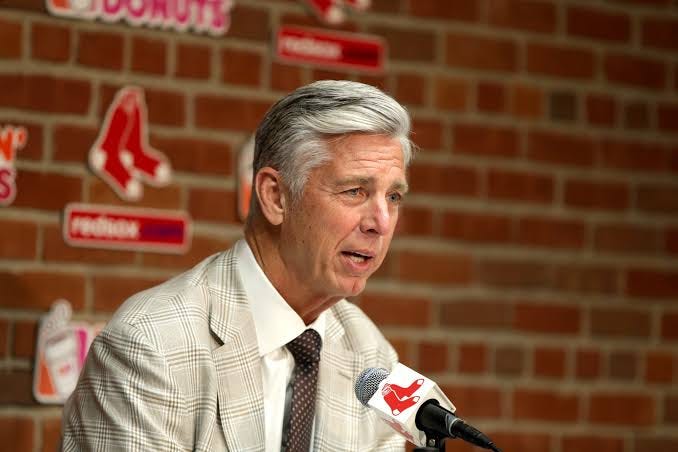
Remember why everyone was told Dombrowski had to go?
The farm system.
He had supposedly left the cupboard bare.
Dombrowski was aggressive. He traded prospects. He prioritized winning at the Major League level.
And there absolutely were consequences to that approach.
But there was also a rather significant result:
A World Series championship.
Then Boston swung dramatically in the opposite direction.
Chaim Bloom arrived preaching sustainability, organizational depth, payroll flexibility and a replenished farm system.
The Red Sox weren’t merely trying to build another championship team.
They were trying to build a machine capable of producing them continuously.
Mayer came during Bloom’s tenure.
Anthony came during Bloom’s tenure.
Teel came during Bloom’s tenure.
Campbell came during Bloom’s tenure.
That was supposed to be the payoff.
Instead, Breslow inherited an organization with highly regarded prospects but significant holes on the Major League roster.
And now he’s increasingly being asked to do something that sounds remarkably familiar:
Trade prospects to fix the Major League team.
That’s the Real Indictment of the Bloom Era
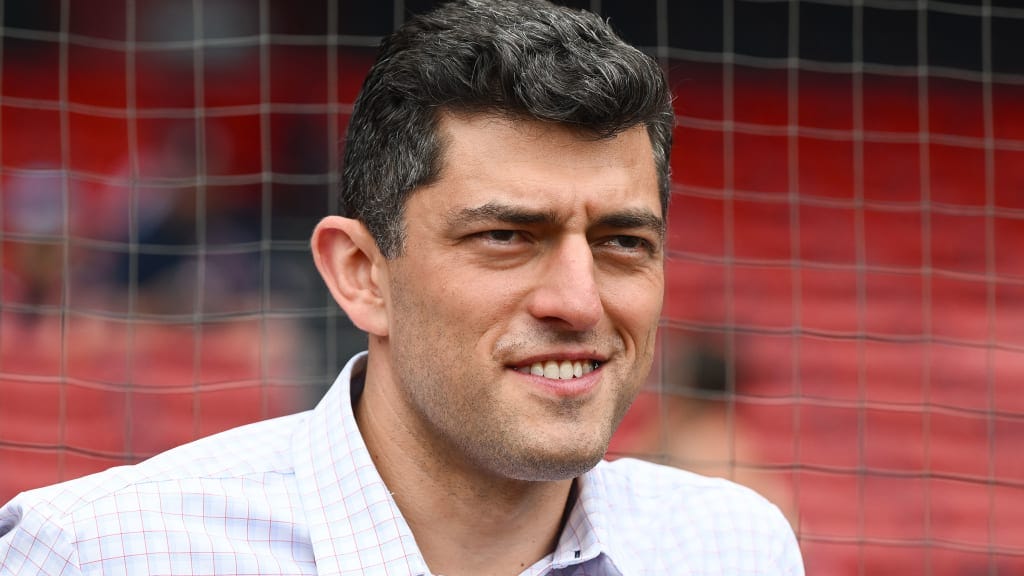
This isn’t about whether Chaim Bloom drafted good players.
He did.
This isn’t about whether Boston rebuilt its farm system.
It did.
The question is what that rebuilding ultimately accomplished at the Major League level.
If an organization spends years prioritizing prospect accumulation and financial flexibility, eventually those assets have to produce one of two things:
Stars in Boston.
Or:
Stars acquired for Boston.
Instead, the Red Sox reached a strange middle ground.
They didn’t consistently purchase premium talent.
Their highly touted offensive core didn’t collectively become the foundation they envisioned.
They spent nearly $129 million betting on reclamation projects.
And eventually they had to begin trading from the farm system anyway.
And Now Comes the Most Dangerous Part
Boston has finally developed something this organization hasn’t possessed in a very long time:
Legitimate young pitching depth.
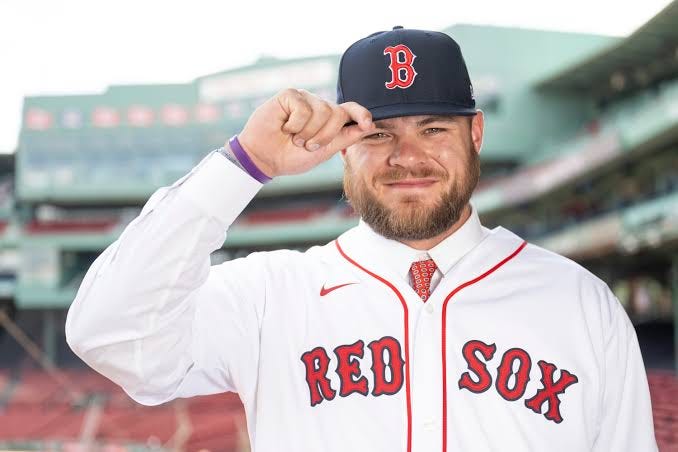
That should be the foundation.
For years we’ve watched this organization search desperately for pitching, develop very little of it internally and pay increasingly creative prices trying to manufacture it elsewhere.
Now they finally have it.
And because the offense still has significant holes, Boston faces the possibility of using that pitching capital to acquire bats.
Think about how backwards that is.
Spend years trying to develop pitching.
Finally develop pitching.
Then trade the pitching because the offensive pipeline didn’t produce enough offense.
That’s not sustainable roster construction.
That’s plugging one hole by digging another.
The Red Sox Don’t Need Another Reclamation Project
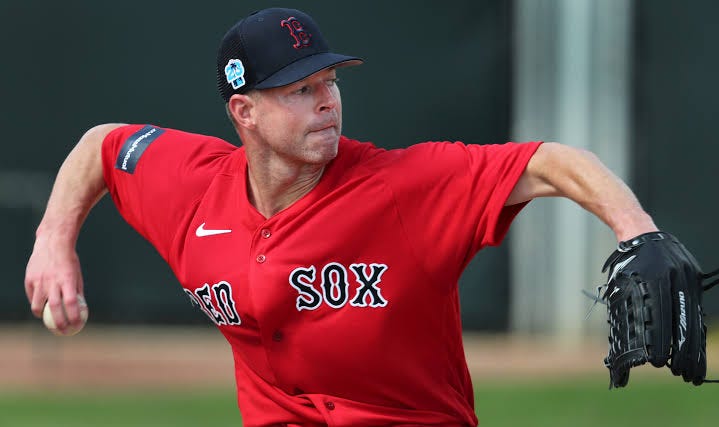
They don’t need another former All-Star coming off surgery.
They don’t need another $10 million pitcher who might become a $25 million pitcher if everything breaks perfectly.
They don’t need another offseason built around discovering value nobody else can see.
Sometimes the obvious answer is the correct answer.
Premium talent costs premium money.
If Boston believes this pitching staff and its young core are capable of competing for championships, then ownership should supplement them accordingly.
Don’t trade away the pitching infrastructure you’ve finally built simply because you’re unwilling to pay market price for offense.
Don’t spend another $40 million trying to turn three question marks into one star.
Go acquire the star.
Because after six years, we’ve seen where the alternative leads.
Boston protected the future.
Boston waited for the future.
Boston spent nearly $129 million trying to find shortcuts around premium talent.
And now Boston is increasingly spending pieces of that future to repair the present.
That’s not one bad offseason.
That’s how the Boston Red Sox arrived here.
This Is Where Ownership Has to Enter the Equation
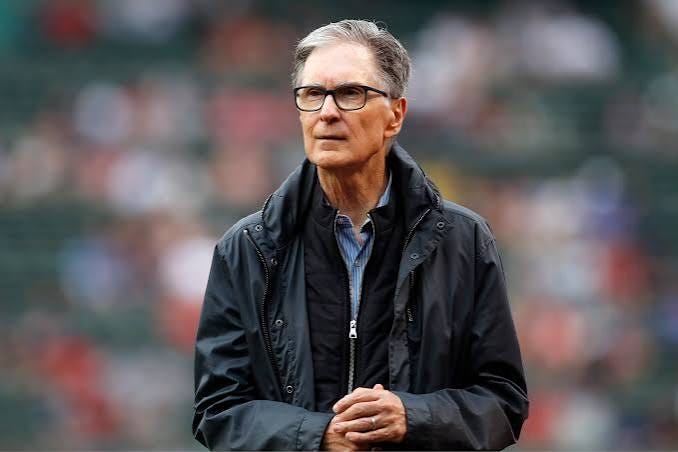
Craig Breslow cannot manufacture an unlimited number of Major League players.
The farm system cannot fill every position.
Every prospect isn’t going to become a star.
And every trade requires something valuable going the other way.
There is one roster-building resource that doesn’t require surrendering Tolle, Early or the next wave of pitching prospects.
Money.
That’s where ownership has to participate.
If Boston has finally developed inexpensive, controllable pitching, that’s precisely when a large-market organization should be willing to spend aggressively elsewhere.
Young pitching shouldn’t become an excuse to spend less.
Young pitching should create the financial flexibility to spend more on offense.
That’s how the model is supposed to work.
Sometimes the Expensive Player Is Actually the Cheaper Player
This may be the biggest lesson of the entire $128.5 million exercise.
A $30 million player looks expensive.
A $10 million reclamation project looks clever.
Until you sign three of them.
Then another one the following winter.
Then another.
Suddenly the inexpensive alternative isn’t inexpensive anymore.
Look at Boston’s list again.
Giolito.
Buehler.
Sandoval.
Paxton.
Kluber.
Hendriks.
Richards.
Every individual move came with a justification.
Maybe he’ll get healthy.
Maybe he’ll return to form.
Maybe our pitching department can fix him.
Maybe the underlying numbers are better than the results.
Maybe we’re buying low.
Maybe we’ve discovered something everyone else missed.
Maybe.
Eventually, all those maybes become $128.545 million.
And that’s what gets lost when these transactions are evaluated individually.
The Red Sox didn’t avoid spending money.
They spent an enormous amount of it trying to outsmart the cost of certainty.
And when enough of those bets fail, you’ve accomplished the worst of both worlds.
You spent the money anyway.
And you still don’t have the star.
The Dombrowski-Bloom-Breslow Circle
That’s what makes the progression of these three baseball executives so fascinating.
Dombrowski aggressively spent money and prospect capital attempting to win immediately.
Boston won the 2018 World Series.
The organization then decided that model wasn’t sustainable.
Bloom arrived to rebuild what Dombrowski had depleted and create a sustainable pipeline.
He rebuilt the farm.
But the Major League results weren’t there.
Breslow inherited the prospects and the holes.
And now he’s being asked to convert some of those prospects into Major League talent while simultaneously trying to preserve enough organizational depth to avoid recreating the very situation Boston hired Bloom to repair.
That’s a hell of a circle.
And ultimately, it leads back above the chief baseball officer.
Because Dombrowski didn’t hire himself.
Bloom didn’t hire himself.
Breslow didn’t hire himself.
Ownership chose each philosophy.
Ownership approved the dramatic shifts between them.
And ownership ultimately determines whether Boston supplements its current roster with money or forces its baseball operations department to continue solving financial problems with baseball assets.
So What Did Six Years Actually Accomplish?
That’s the uncomfortable question.
Boston rebuilt the farm system.
That’s real.
Boston developed Roman Anthony.
That’s enormously important.
Boston has finally developed promising young pitching.
That’s potentially transformative.
There are legitimate accomplishments here.
But look at what happened simultaneously.
The Red Sox repeatedly avoided the top end of free agency.
They committed nearly $129 million to reclamation projects and bounce-back bets.
They waited for a homegrown offensive core that only partially materialized.
They eventually traded one of their most valuable catching prospects and three additional prospects for the frontline pitcher they desperately needed.
And now the temptation will be to trade more young talent to complete the offense.
At some point the strategy has to produce something more than flexibility.
It has to produce championships.
Don’t Make the Same Mistake Again
The Red Sox finally have something worth protecting.
Young pitching.
Build around it.
Don’t dismantle it simply because trading a pitcher is financially easier than signing an impact hitter.
That doesn’t mean every pitching prospect is untouchable.
Of course not.
If the right baseball trade presents itself, you make it.
But Boston should not enter another offseason with the philosophy that its young pitching inventory exists primarily to compensate for ownership’s unwillingness to purchase offense.
That’s backwards.
Keep Tolle.
Be extremely careful with the next wave
Determine which other young position players truly belong in the next championship core.
And then do something remarkably simple:
Buy what you’re missing.
Premium talent costs premium money.
That’s not a market inefficiency.
That’s baseball.
Because there comes a point where bargain hunting isn’t actually a bargain.
There comes a point where protecting prospects doesn’t matter if those prospects never help you win.
And there comes a point where spending $10 million here, $18 million there and $21 million somewhere else trying to outsmart the market becomes considerably more expensive than simply buying the player you needed in the first place.
Boston protected the future.
Boston waited for the future.
Boston spent nearly $129 million trying to find shortcuts around premium talent.
And eventually Boston began spending pieces of that future to repair the present.
That’s not one bad offseason.
That’s how the Boston Red Sox arrived here.
Now they finally have young pitching worth building around.
This time, don’t outsmart yourselves.
Spend the damn money and finish the team.
Until next time,
Jim